
Walking Faster May Boost Brain Health in Older Adults
August 16th, 2026
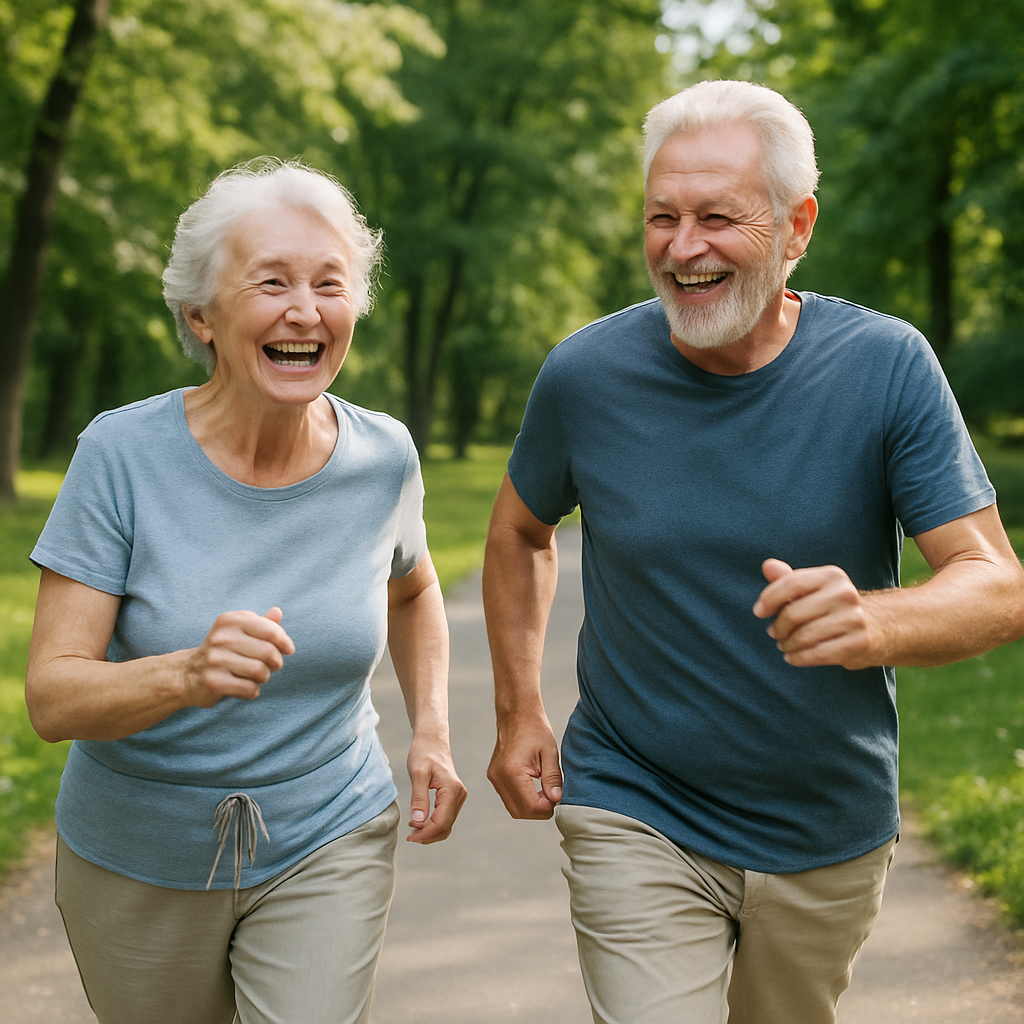
Have you ever noticed how some older adults seem to glide effortlessly as they walk? A recent study has introduced the concept of "super movers," which refers to individuals aged 80 and above who walk significantly faster than their peers. This fascinating research suggests that maintaining a brisk walking pace might be associated with better cognitive health.In this study, researchers followed nearly 4,000 participants over several years, focusing on those who did not have prior cognitive impairments. The findings revealed that super movers experienced about half the risk of developing cognitive issues compared to their slower counterparts. This connection raises questions about how walking speed could be linked to brain health.Walking is often taken for granted, yet it involves intricate coordination of muscles and balance, all managed by the brain. As we navigate our surroundings, our brains are busy processing a multitude of information, which could explain why those who walk faster may also experience healthier cognitive function.It's important to note that while these findings are compelling, they do not prove that walking quickly directly prevents cognitive decline. Other factors may play a role, such as overall physical activity, diet, social support, and even genetics. Super movers might simply reflect healthier lifestyles that contribute to both their mobility and brain health.If you're in your 60s or 70s and want to become a super mover, there's good news! Research shows that older adults can enhance their physical fitness even later in life. Starting with short walks and gradually increasing pace and distance can make a difference. Remember to consult with a healthcare provider if you have any concerns about your ability to exercise.Lastly, if you've noticed a slowing in your walking speed, it's worth discussing with a doctor, especially if it's a sudden change. Many factors can affect mobility, and addressing issues early can lead to improved health outcomes. Staying active, whether through walking or other forms of exercise, is crucial for maintaining both physical and cognitive well-being as we age.Helpful Links
Want more health and wellness content?
WellnessConnect publishes evidence-based articles every week, along with personalised programs for employers and their teams.
Browse all articles Get started with WellnessConnect