
Nine Science-Backed Ways to Feel Better in 2026
February 20th, 2026
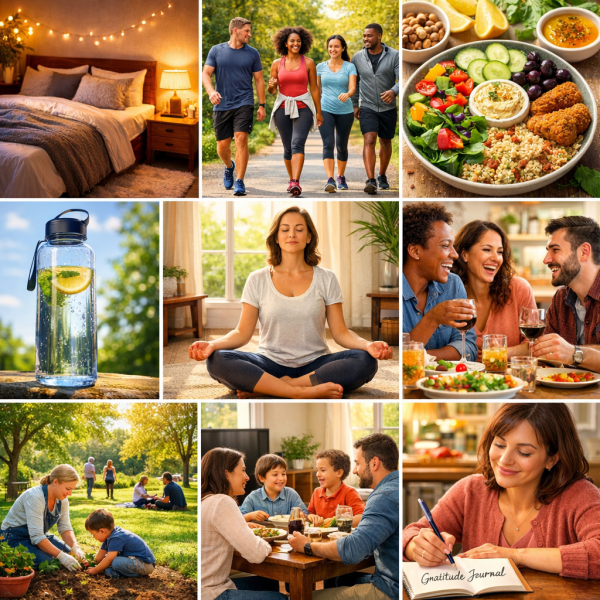
As we settle into 2026, many of us are looking for ways to feel healthier, happier, and more energized. The good news? You don't need a complete life overhaul to see real benefits. Research shows that small, consistent changes can have a surprisingly big impact on how you feel.Here are nine science-backed strategies that can help you feel better this year, based on the latest research and expert recommendations.
1. Prioritize Quality Sleep
Sleep isn't just rest—it's when your body repairs itself, your brain processes information, and your hormones rebalance. The National Sleep Foundation recommends 7-9 hours of quality sleep for adults. Poor sleep is linked to everything from weakened immunity to increased risk of chronic diseases.Try this: Set a consistent bedtime and wake time, even on weekends. Create a relaxing bedtime routine by dimming lights an hour before bed and avoiding screens.2. Move Your Body Daily
You don't need to run a marathon to reap the benefits of physical activity. Research shows that even 15 minutes of brisk walking daily can improve mood, boost energy, and reduce the risk of chronic diseases. The key is consistency over intensity.Try this: Start with a 15-minute walk during your lunch break or after dinner. Gradually increase to 30 minutes as it becomes a habit.3. Eat More Plants
A plant-forward diet is consistently linked to better health outcomes. The Mediterranean diet, rich in vegetables, fruits, whole grains, legumes, nuts, and olive oil, has been shown to reduce the risk of heart disease, diabetes, and certain cancers.Try this: Aim to fill half your plate with vegetables at lunch and dinner. Try one new plant-based recipe each week.4. Stay Hydrated
Even mild dehydration can cause fatigue, headaches, and difficulty concentrating. While individual needs vary, most adults need about 8 glasses of water daily. Proper hydration supports digestion, temperature regulation, and cognitive function.Try this: Keep a water bottle with you throughout the day. Drink a glass of water with each meal and snack.5. Practice Mindfulness
Mindfulness practices like meditation, deep breathing, and gentle yoga have been shown to reduce stress, improve sleep, and enhance overall well-being. Just 10 minutes of daily mindfulness practice can make a difference.Try this: Start with a simple 5-minute breathing exercise: inhale for 4 counts, hold for 4, exhale for 4, hold for 4. Repeat for 5 minutes.6. Connect with Others
Social connection is a powerful predictor of health and longevity. Studies show that people with strong social relationships live longer, have better mental health, and recover faster from illness. Loneliness, conversely, is associated with increased risk of depression and heart disease.Try this: Schedule regular catch-ups with friends or family. Join a club or group based on your interests. Volunteer in your community.7. Spend Time in Nature
Time spent in nature has been shown to reduce stress, lower blood pressure, and improve mood. Even short periods outdoors—like a walk in a park or time in your garden—can have measurable benefits.Try this: Take your lunch break outside. Plan weekend outings to local parks or nature trails. Start a small garden or indoor plants.8. Limit Screen Time
Excessive screen time, especially before bed, can disrupt sleep and increase stress. Research suggests setting boundaries around technology use can improve sleep quality, reduce anxiety, and increase productivity.Try this: Set a "digital sunset" one hour before bed. Create phone-free zones in your home, like the dining room or bedroom.9. Practice Gratitude
Regular gratitude practice has been linked to improved mood, better sleep, and stronger relationships. Taking time to appreciate the good things in your life can shift your focus from what's lacking to what's abundant.Try this: Write down three things you're grateful for each morning or evening. Share your appreciation with others regularly.Start Small, Build Consistency
The key to lasting change isn't perfection—it's consistency. Don't try to implement all nine strategies at once. Choose one or two that resonate with you and focus on making them habits. Once they feel automatic, add another.Remember, feeling better isn't about dramatic transformations. It's about making small, sustainable choices that support your health and happiness over time. Start where you are, use what you have, and do what you can. Your future self will thank you.Sources:
- National Sleep Foundation. "How Much Sleep Do We Really Need?" 2025
- World Health Organization. "Physical Activity." 2025
- Harvard T.H. Chan School of Public Health. "The Mediterranean Diet." 2025
- Centers for Disease Control and Prevention. "Water & Nutrition." 2025
- National Institutes of Health. "Mindfulness and Meditation." 2025
- American Psychological Association. "Social Connection and Health." 2025
- University of Exeter. "Nature and Mental Health." 2025
- BBC Future. "Nine simple steps to feeling better in 2026." December 2025
Want more health and wellness content?
WellnessConnect publishes evidence-based articles every week, along with personalised programs for employers and their teams.
Browse all articles Get started with WellnessConnect