
Dietary Adjustments May Help Reduce the Risk of Tinnitus
March 21st, 2025
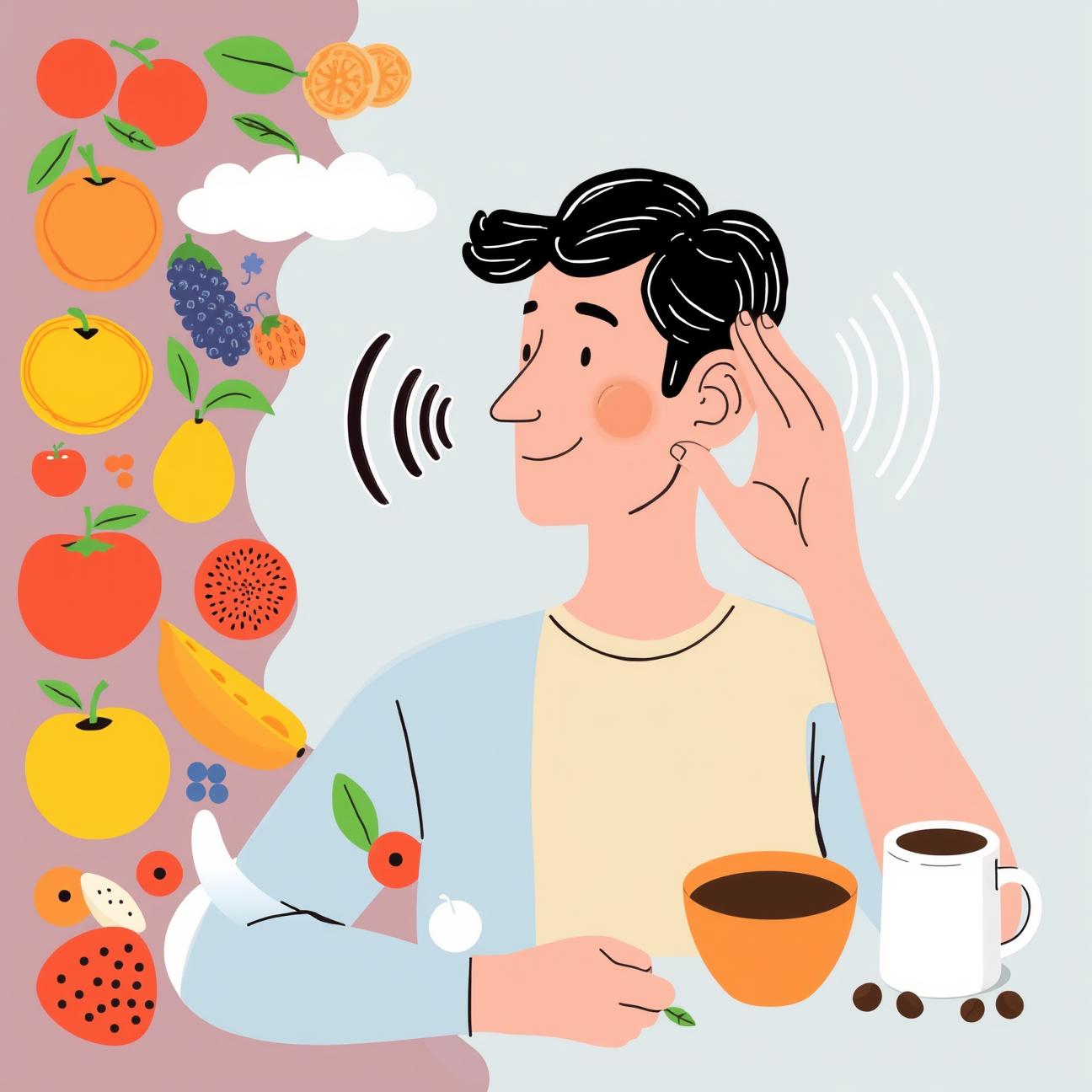
Reducing exposure to loud noises, such as by lowering the volume on earbuds or wearing earplugs in noisy environments, is a well-established method for minimizing the risk of tinnitus. Emerging research now suggests that dietary modifications, including increased consumption of fruits, fiber, milk, and coffee, may also play a role in mitigating the persistent and often distressing ringing in the ears associated with this condition.A recent study published in The BMJ highlights the potential of dietary changes to lower the risk of developing tinnitus. The research team, led by Qinxiu Zhang of Chengdu University of Traditional Chinese Medicine in Sichuan, China, emphasized that “diet-based strategies for tinnitus prevention are anticipated to play a significant role in chronic tinnitus management.” The study concluded that “existing evidence suggests that consuming fruit, dietary fiber, caffeine, and dairy may be associated with a reduced incidence of tinnitus.”Tinnitus affects approximately 14% of adults, or one in six individuals, according to background notes in the study. While exposure to loud noise is a primary risk factor, the origins of tinnitus remain complex and multifaceted. To explore the potential link between diet and tinnitus, researchers conducted a comprehensive review of data from eight previous studies involving over 300,000 participants. Their analysis revealed that increased intake of specific foods was associated with a reduced risk of tinnitus:- Fruits: 35% reduction in risk
- Dairy: 17% reduction in risk
- Caffeine: 10% reduction in risk
- Fiber: 9% reduction in risk
Want more health and wellness content?
WellnessConnect publishes evidence-based articles every week, along with personalised programs for employers and their teams.
Browse all articles Get started with WellnessConnect