
Staying Protected Against Measles: What You Need to Know
February 23rd, 2025
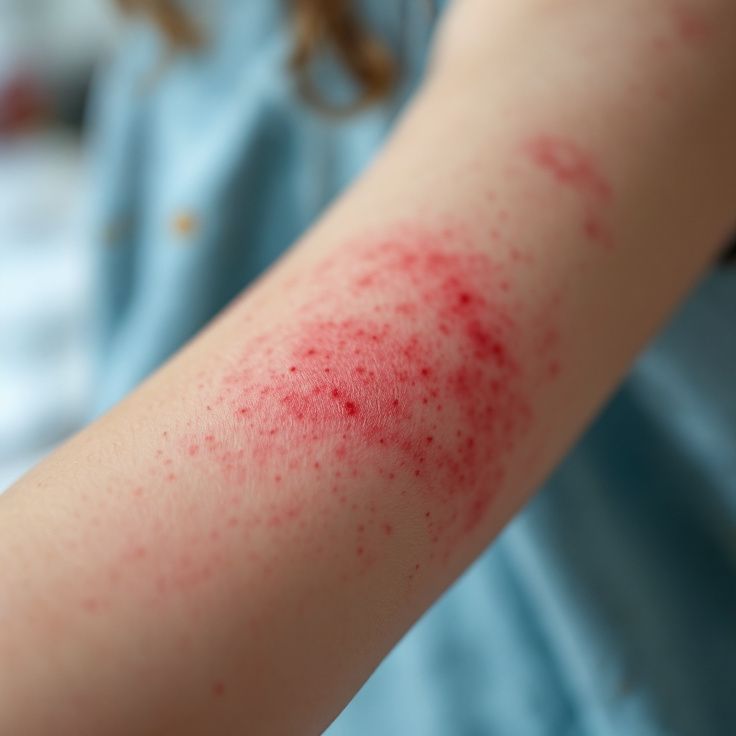
As measles cases continue to rise across the country, it's essential to think about your immunity to this highly contagious airborne illness. With 285 cases reported in the US last year, the most since 2019, and recent outbreaks in metro Atlanta, New Mexico, West Texas, Alaska, Rhode Island, and New York City, it's crucial to understand the risks and take steps to protect yourself and your loved ones.What is Measles?Measles is a serious illness that can cause rash, fever, red eyes, and cough. In severe cases, it can lead to blindness, pneumonia, or encephalitis (swelling of the brain), and even be fatal. Before the introduction of the measles vaccine in 1963, the virus claimed an estimated 2.6 million lives worldwide each year. While vaccination has significantly reduced the number of cases, it's still a significant public health concern, especially in areas with lower vaccination rates.
The Best Protection: VaccinationThe measles, mumps, and rubella (MMR) vaccine is the most effective way to stay protected against measles. According to the Centers for Disease Control and Prevention (CDC), the MMR vaccine is 93% effective against measles after one dose and 97% effective after two doses. Children should receive two doses of the MMR vaccine: the first dose between 12 and 15 months and the second around age 4, before starting school.
Who Should Get Vaccinated?
- Children who have not received the MMR vaccine should get vaccinated as soon as possible.
- Older children or adults who did not receive the vaccine as a child can also get vaccinated.
- People born before 1957 are likely to have been naturally infected and already have immunity.
- If someone is exposed to measles, getting the MMR vaccine within 72 hours could induce some protection or result in less serious illness.
Want more health and wellness content?
WellnessConnect publishes evidence-based articles every week, along with personalised programs for employers and their teams.
Browse all articles Get started with WellnessConnect