
Rethinking Holiday Drinking: The Science Behind Alcohol's Social Effects
December 17th, 2024
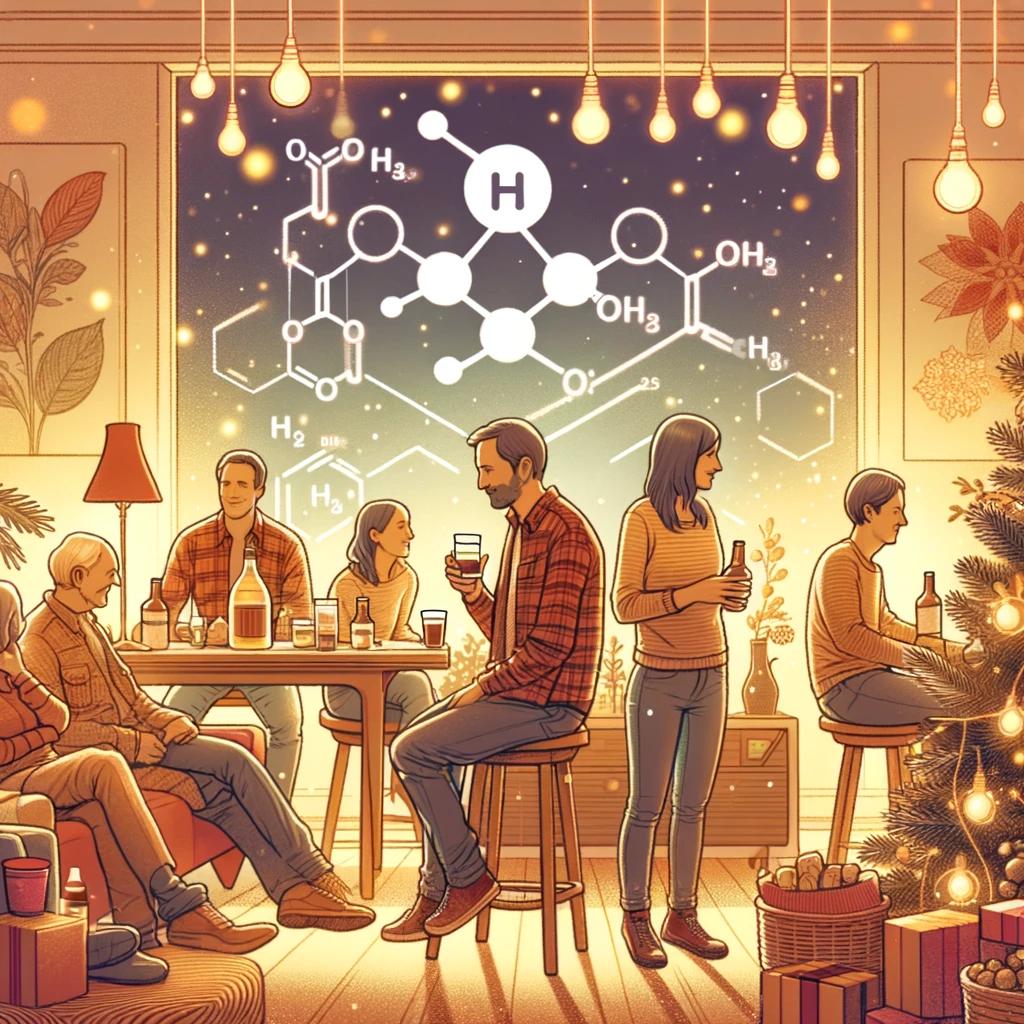
As we approach the holiday season and New Year's celebrations, many of us are taking a fresh look at our relationship with alcohol. While these occasions often feature festive drinks, there's growing awareness about both the health impacts of alcohol and the interesting science behind why we drink.Recent global health data paints a sobering picture - alcohol was linked to 2.6 million deaths worldwide in 2019, spanning issues from chronic health conditions to accidents. The COVID-19 pandemic then sparked an uptick in alcohol consumption that has largely persisted.But there's good news: A growing "sober curious" movement has emerged, bringing with it alcohol-free bars, creative mocktails, and popular trends like Dry January and Sober October. This shift reflects a broader conversation about mindful drinking choices.Many of us have heard that alcohol helps us be more sociable - making us funnier, more outgoing, or more confident. However, fascinating research from the University of Washington's Behavioral Alcohol Research Laboratory suggests something surprising: these social benefits might be more about mindset than what's actually in our glass.In a clever experiment, researchers divided participants into four groups, varying whether they received alcohol and what they were told about their drinks. The results were eye-opening: people who thought they were drinking alcohol became more social and engaged, even when their drinks contained no alcohol at all. Meanwhile, those who unknowingly received alcohol but thought they were drinking non-alcoholic beverages remained quiet and subdued.Dr. Jason Kilmer, who has studied alcohol use among college students for 20 years, explains that while alcohol does have real physical effects on coordination and judgment, the social benefits we associate with drinking come largely from our expectations and environment - not the alcohol itself.
Science-Backed Tips for Safer Drinking During the Holidays:
- Consider moderation or alcohol-free options, and alternate alcoholic drinks with water
- Always eat before drinking to slow alcohol absorption
- Track standard drink sizes rather than glass count
- Be aware that carbonated drinks (like champagne) are absorbed more quickly
- Keep track of your drink and know what's in it
Want more health and wellness content?
WellnessConnect publishes evidence-based articles every week, along with personalised programs for employers and their teams.
Browse all articles Get started with WellnessConnect