
Understanding Fluoride in Drinking Water: A Balanced Perspective
November 25th, 2024
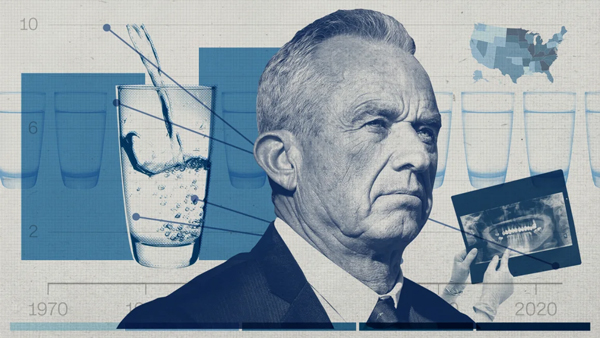
Fluoride in drinking water has long been a topic of debate, both praised for its role in preventing cavities and criticized for potential health risks. Recent discussions around its use have gained renewed attention following statements from Robert F. Kennedy Jr., who has expressed intent to reevaluate water fluoridation policies in the United States if confirmed as Health and Human Services Secretary.
What is Fluoride?Fluoride is a naturally occurring mineral found in soil, plants, water, and food. At optimal levels, it strengthens teeth and helps prevent cavities, making it a cornerstone of many public health initiatives. Globally, different strategies are used to ensure adequate fluoride intake. In the U.S., fluoride is commonly added to public water supplies, while other countries use alternatives such as fluoridated salt, milk, or targeted school-based programs like fluoride varnishes and mouth rinses.Fluoridation in the U.S.Community water fluoridation began in 1945 as a cost-effective measure to improve oral health. The U.S. Centers for Disease Control and Prevention (CDC) recognizes it as one of the top ten public health achievements of the 20th century, attributing it to a significant reduction in dental cavities.
- Current Statistics: As of 2022, approximately 72% of the U.S. population has access to fluoridated drinking water. However, implementation varies by state. For example, Washington, D.C., provides fluoridated water to 100% of its residents, while Hawaii reaches just 8.5%.
- Guidelines: The CDC recommends a fluoride concentration of 0.7 milligrams per liter in drinking water. This level is not federally mandated, leaving decisions on fluoridation to local authorities based on regional fluoride levels and public input.
- United Kingdom: Some regions provide fluoridated milk to schoolchildren, while about 10% of the population has access to fluoridated water.
- Japan and Iceland: School-based fluoride rinse programs have been implemented to combat cavities.
- Italy: Pediatric dental guidelines recommend using fluoride toothpaste and targeted interventions like varnishes and gels for high-risk children.
Want more health and wellness content?
WellnessConnect publishes evidence-based articles every week, along with personalised programs for employers and their teams.
Browse all articles Get started with WellnessConnect