
Nearly Half of Adult Cancer Deaths in the US Could be Prevented by Lifestyle Changes, Study Finds
July 11th, 2024
A recent study by the American Cancer Society reveals that nearly 40% of new cancer cases among adults aged 30 and older in the United States—and almost half of cancer deaths—are linked to preventable risk factors. This offers a hopeful message: by making certain lifestyle changes, many cancer cases can be avoided.“These are practical changes people can make in their daily lives to reduce their cancer risk,” said Dr. Arif Kamal, Chief Patient Officer at the American Cancer Society.
Leading Risk Factors
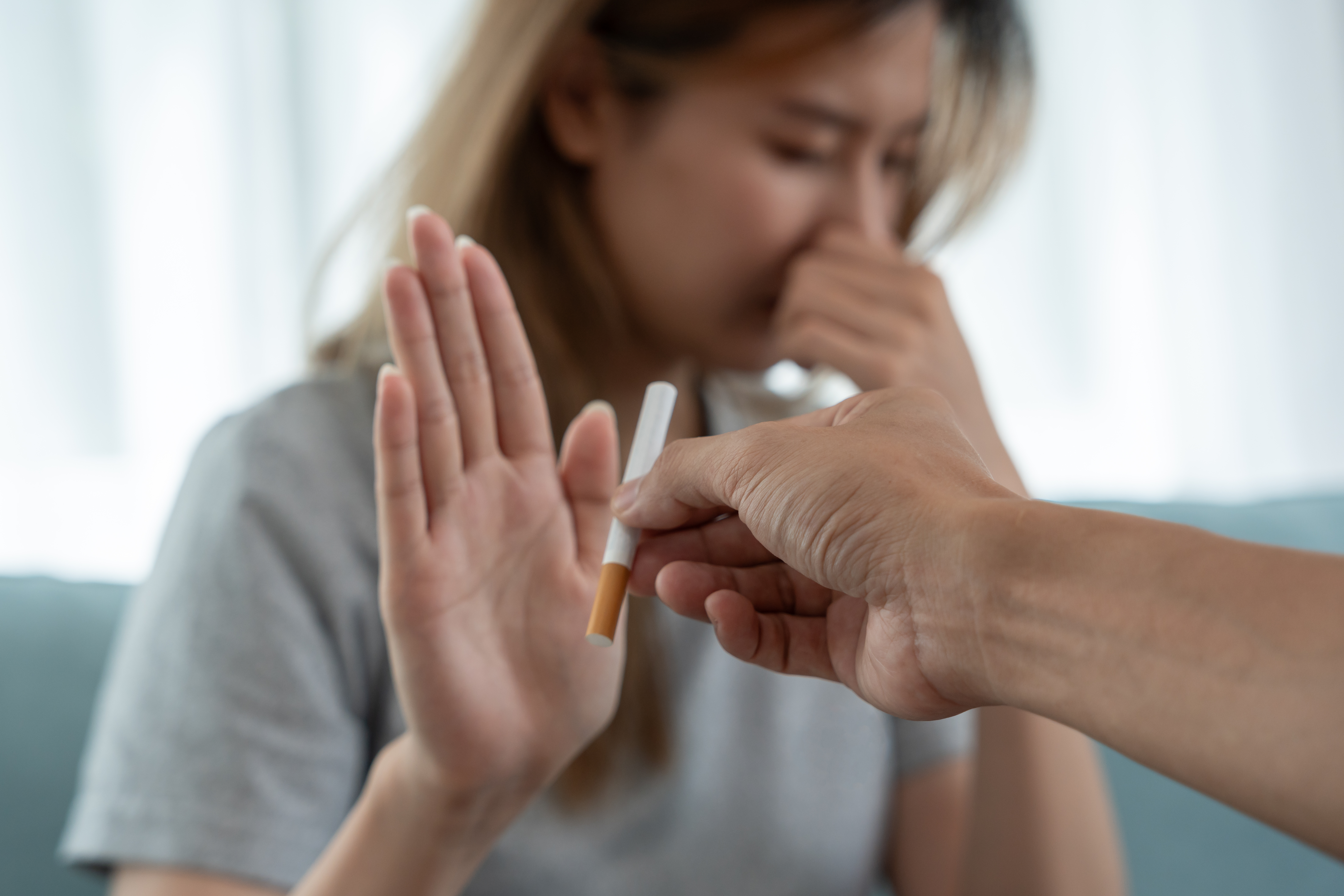
The study identified smoking as the top risk factor, contributing to nearly one in five cancer cases and almost a third of cancer deaths. Other significant risk factors include excess body weight, alcohol consumption, physical inactivity, diet, and infections such as HPV.
Researchers examined 18 modifiable risk factors across 30 types of cancer. In 2019 alone, these factors were associated with over 700,000 new cancer cases and more than 262,000 deaths.
Cancer develops due to DNA damage or having a fuel source, explained Dr. Kamal. While genetics and environmental factors also play roles, modifiable risks account for a larger share of cancer cases and deaths. For example, exposure to sunlight can damage DNA and lead to skin cancer, while fat cells produce hormones that can feed certain cancers.
“With cancer, it often feels like you have no control,” Kamal said. “People think about bad luck or bad genetics, but they need to feel a sense of control and agency.”
Prevention and Control
The study suggests that some cancers are more preventable than others. Modifiable risk factors contributed to over half of new cases for 19 of the 30 types of cancer studied. In fact, for 10 types of cancer, modifiable risk factors were linked to at least 80% of new cases. For example, more than 90% of melanoma cases are linked to ultraviolet radiation, and nearly all cervical cancer cases are associated with HPV, which can be prevented with a vaccine.
Lung cancer had the highest number of cases attributed to modifiable risk factors—over 104,000 in men and 97,000 in women—primarily due to smoking.
After smoking, excess body weight was the second largest contributor to cancer cases, linked to about 5% of new cases in men and nearly 11% in women. It was also associated with over a third of deaths from cancers of the endometrium, gallbladder, esophagus, liver, and kidney.
Interestingly, another recent study found that popular weight-loss and diabetes medications like Ozempic and Wegovy significantly reduced the risk for certain cancers.
“Obesity is emerging as just as potent of a risk as smoking,” said Dr. Marcus Plescia, Chief Medical Officer for the Association of State and Territorial Health Officials.
Making a Difference
Dr. Plescia emphasized that addressing key behavioral risk factors—quitting smoking, eating well, and exercising—can dramatically improve rates and outcomes of chronic diseases, including cancer. He advocates for creating environments where healthy choices are easy, especially in historically disadvantaged neighborhoods where exercising may not be safe or access to healthy food is limited.
As early-onset cancer rates rise in the US, fostering healthy habits early is crucial. It’s harder to quit smoking or lose weight once these habits are established.
But, as Dr. Plescia noted, “it’s never too late to make these changes.” Even later in life, turning around health behaviors can make a profound difference.
Making lifestyle changes to minimize exposure to certain risk factors can quickly reduce cancer risk. “Cancer is something your body fights every day as your cells divide,” Kamal said. “Reducing these risks can benefit you daily as well.”
By making informed lifestyle choices, individuals can significantly lower their risk of cancer and improve their overall health and well-being.
Want more health and wellness content?
WellnessConnect publishes evidence-based articles every week, along with personalised programs for employers and their teams.
Browse all articles Get started with WellnessConnect