
Understanding the Concerns About Lead in Stanley Cups and Other Travel Flasks
January 28th, 2024
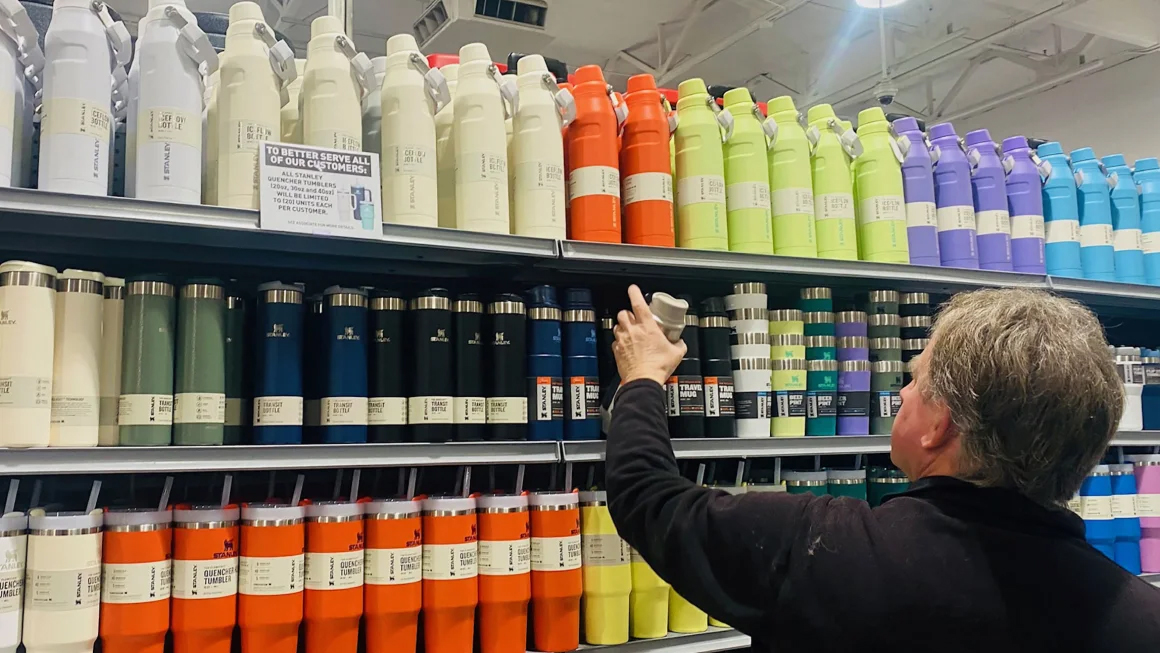
You may have seen Stanley cups all over social media, with their oversized tumblers being embraced by countless people. Recently, these iconic cups have come under scrutiny due to concerns about potential lead content. In this article, we'll explore the facts surrounding this issue, address the safety measures in place, and offer guidance on how to stay cautious while enjoying your favorite beverage containers.The Lead Concern:Videos circulating on platforms like TikTok show individuals using lead testing kits on their Stanley cups and other travel flasks. While it's true that some brands of travel drinking cups, including Stanley, contain lead, it's important to understand the context.
Lead in Stanley Cups:Lead is used as part of the vacuum insulation in the base of some travel cups, including Stanley products. However, this lead is safely sealed within the base and covered by a stainless steel layer that shields consumers from any potential lead exposure. Stanley's spokesperson reassures customers that "no lead is present on the surface of any Stanley product that comes into contact with the consumer or the contents of the product."
Lead Risks:It's natural for people to be concerned about lead exposure, as this toxic metal can lead to kidney problems, anemia, reproductive issues, and developmental problems, according to the US Centers for Disease Control and Prevention. Given the widespread use of Stanley cups, it's essential to address these concerns.
Jane Houlihan, research director for Healthy Babies, Bright Futures, advises caution. She emphasizes that if the cup remains intact, there's likely no lead exposure risk for consumers. However, if the bottom seal were to come off, there could be a potential risk. In such rare cases, Stanley offers replacement under their lifetime warranty.
Other Brands Affected:It's worth noting that it's not just Stanley cups that may contain lead. The US Consumer Product Safety Commission has recalled various other brands due to lead content, such as Tiblue Stainless Steel Children’s Cups, Klickpick Home Children’s Cup Sets, PandaEar, Laoion, and Cupkin stainless steel children’s cups. Strict regulations exist regarding lead content in children's products to ensure safety.
Why Lead in Cups?Lead has historically been used in manufacturing, including sealing the vacuum in insulated cups. While some manufacturers have moved to alternatives, it's crucial that companies prioritize lead-free options to eliminate any potential lead exposure.
The Dangers of Lead:There is no safe level of lead, especially for children. Even low levels of lead in blood can affect learning, attention span, and academic achievement. Lead accumulates in the body over time, making ongoing exposure dangerous, especially for children and infants, who are more vulnerable.
While concerns about lead in Stanley cups and similar products are valid, it's important to understand that the risk is minimal if the cup remains intact. Companies should continue to prioritize lead-free manufacturing to ensure consumer safety. If you have any concerns about a product, you can report it to the US Consumer Product Safety Commission. Ultimately, enjoying your beverages from a Stanley cup is safe as long as the product is in good condition, making it both a stylish and practical choice for staying hydrated.
Want more health and wellness content?
WellnessConnect publishes evidence-based articles every week, along with personalised programs for employers and their teams.
Browse all articles Get started with WellnessConnect