
FDA finds no evidence that Ozempic, similar drugs cause suicidal thoughts in preliminary evaluation
January 11th, 2024
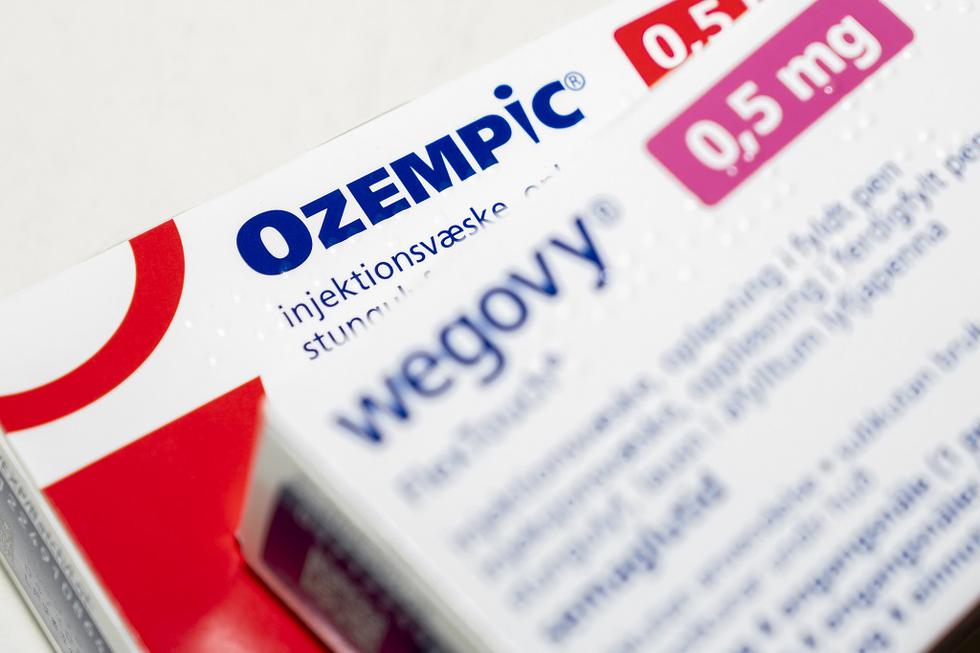
Good news for individuals using medications like Ozempic and Wegovy for managing type 2 diabetes and weight loss: the US Food and Drug Administration (FDA) recently released a preliminary evaluation that does not suggest a direct link between these drugs and suicidal thoughts or actions.The FDA conducted a thorough analysis over several months, focusing on reports received through its FDA Adverse Event Reporting System (FAERS). It's important to note that these reports often lacked detailed information and could be influenced by various factors. Consequently, the agency concluded that there wasn't clear evidence establishing a direct connection between the use of GLP-1 receptor agonists (the drug class to which Ozempic and Wegovy belong) and suicidal thoughts or actions.
GLP-1 receptor agonists encompass several medications, including Ozempic, Wegovy, Mounjaro, and Zepbound. The FDA's review also involved examining clinical trial results, which did not reveal an association between these drugs and suicidal thoughts or actions. However, due to the limited number of cases of such events in both the medication and placebo groups during these studies, the FDA has opted to continue its investigation, acknowledging a potential small risk.
It's important for patients not to discontinue their GLP-1 medications without first consulting their healthcare providers. If individuals on these drugs experience symptoms like depression, suicidal thoughts, or any unusual changes in mood or behavior, they should promptly inform their healthcare professionals.
In a related development, the FDA had announced earlier that it was reviewing reports of individuals experiencing suicidal thoughts while taking GLP-1 drugs, considering the need for regulatory action. Additionally, the agency was investigating cases of aspiration and hair loss (alopecia) associated with these medicines.
The European Medicines Agency (EMA) is also investigating a possible link between GLP-1 receptor agonists and suicidal thoughts. The EMA initiated this inquiry after receiving around 150 reports of self-injury and suicidal thoughts among individuals using these medications.
GLP-1 drugs function by mimicking a hormone called GLP-1, which affects insulin secretion, feelings of fullness, and appetite. Researchers have observed that GLP-1 may also have an impact on the brain.
The European review is ongoing, with the Pharmacovigilance Risk Assessment Committee of the EMA seeking more information from the manufacturers of these drugs. While no definitive conclusions have been reached regarding causation, several aspects still require clarification.
Interestingly, a recent extensive review of electronic health records in the US suggested that GLP-1 drugs may carry a lower risk of patients experiencing suicidal thoughts compared to other medications used for diabetes and weight loss. Dr. Rong Xu of Case Western Reserve University School of Medicine, who was involved in the study, emphasized that the reports under examination by US and European regulators are case reports, and definitive conclusions require head-to-head comparisons among similar patient groups.
The FDA has announced its intention to conduct a "meta-analysis" of data from clinical trials and real-world usage, including health insurance claims and patient health records, for all GLP-1 drugs to further assess their safety. They will provide "final conclusions and recommendations" once this review is complete or when more information becomes available.
It's worth noting that the prescribing information for GLP-1 drugs approved for weight loss already includes warnings about the risk of suicidal thoughts and actions. These warnings are based on reports of such events associated with various older weight loss medications.
In light of these developments, healthcare professionals are advised to continue monitoring patients for signs of suicidal thoughts, depression, or unusual mood changes when using GLP-1 drugs. Patient safety remains a top priority for both regulators and healthcare providers.
Want more health and wellness content?
WellnessConnect publishes evidence-based articles every week, along with personalised programs for employers and their teams.
Browse all articles Get started with WellnessConnect